
Wednesday, December 9, 2015
What Morgan Spurlock Can Teach Us About Brave Business
I recently watched this Ted Talk by Morgan Spurlock that is an oldie but a goodie (released in 2013). For those of you that may not be familiar with Morgan he came to fame with his documentaries the most famous of which is Super Size Me. He parlayed that success into a series on A&E entitled 30 Days in which he walked in other people's shoes to provide a perspective on issues that were controversial at the moment.
What I like so much about his Ted Talk is how he exposed the fearful decision making in the Advertising industry. But this isn't a hit piece on that industry and the same decision making processes and cultures exist in any industry and in most organizations.
One of my favorite moments in the talk involves a clip at the 10 minute mark where he is meeting with the Ban deodorant marketing execs and asks them what the one word they would use to describe Ban and there is silence. Then the first answer is superior technology... for deodorant!
Some of the takeaways from the talk include:
1. The brands that were obviously brave and took a risk with Spurlock's movie were ones that cut out the middle man (advertising agency) because they understood that they may not have the brand's best interests at mind. This is a theme covered in my book Corporate Bravery.
2. Spurlock's summation of what he experienced with trying to make the movie was, "When you train your employees to be risk averse, then you train your whole company to be reward challenged."
3. It is remarkable that EMC won the rights for his Ted Talk with just over $7K. A small sum for the millions of views that this clip has experienced.

Sunday, November 29, 2015
Monday, November 16, 2015
Monday, November 9, 2015
Sunday, November 1, 2015
Thursday, October 22, 2015
Corporate Bravery - Fearful Business Examples
We have been on hiatus for a few weeks while we launched our book - Corporate Bravery (now available on Amazon and iTunes). But we are back and this week we feature a few recent examples of fearful management.

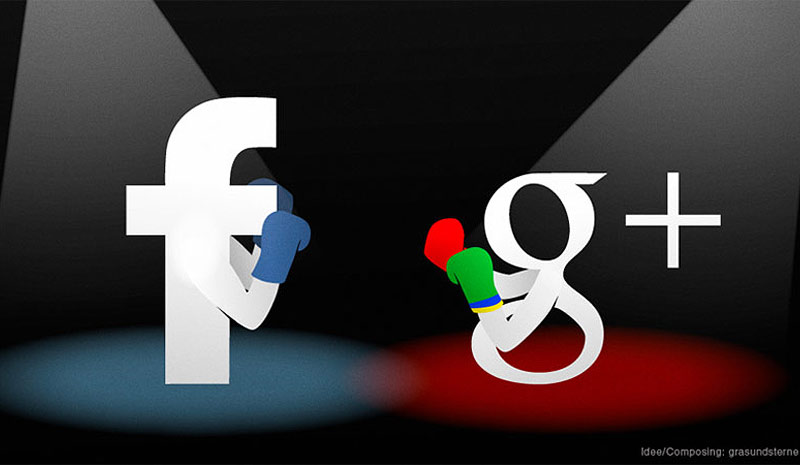
1. First we begin with the slow death of Google+, although many will be quick to point out that Google+ hasn't been killed (yet), as documented by a Mashable article entitled "Inside the Failure of Google+"
I also want to point out that Google is typically a brave company (coming in at #2 on the Brave Rankings) but this was a clear example of a fearful manager talking a brave leader into a fearful decision.
I'm not going to ruin much about the article for you but this quote stood out to me and highlights the fear-based decision making that led to the birth of Google+:

1. First we begin with the slow death of Google+, although many will be quick to point out that Google+ hasn't been killed (yet), as documented by a Mashable article entitled "Inside the Failure of Google+"
I also want to point out that Google is typically a brave company (coming in at #2 on the Brave Rankings) but this was a clear example of a fearful manager talking a brave leader into a fearful decision.
I'm not going to ruin much about the article for you but this quote stood out to me and highlights the fear-based decision making that led to the birth of Google+:
"Vic was just this constant bug in Larry's ear: 'Facebook is going to kill us. Facebook is going to kill us,'" says a former Google executive. "I am pretty sure Vic managed to frighten Larry into action. And voila: Google+ was born." |
2. There is a very cool example from Popular Science about ants and the biological example of how conservatism (often based out of fear) can keep organizations from meeting its full potential

The article chronicles studies of ants and how they cooperate together to carry larger pieces of food for long (relative to the spatial sizes of ants) distances. It was partially due to the ants conformist mentality, but there was much to be learned about their group leadership and efficiency.
Specifically, the group think of the group required that individual leader ants from outside the group get involved to re-direct them to the best, direct path until they lost track and then another leader ant would join the pack. The conclusion of scientists? In effect, says Feinerman, the larger groups were collectively too conservative, which prevented them from completing the task."
Read the whole report, there is a very cool video of the scene to kill some time as well.
|
Subscribe to:
Posts (Atom)