
Showing posts with label employee engagement. Show all posts
Showing posts with label employee engagement. Show all posts
Monday, November 9, 2015

Monday, February 9, 2015
You Can't Regulate Culture
Reading this article from the Wall Street Journal from January 2015 entitled As Regulators Focus on Culture, Wall Street Struggles to Define It I was struck by how out of touch management and regulators are in defining and creating a positive and effective work culture within the banking industry.
The problem with this focus and struggle with culture is that it is driven by a desire to avoid future regulatory problems rather than a real interest in creating an environment that is engaging for employees where they might actually enjoy spending a significant part of their daily lives.

Some of the typical things that have characterized bank cultures include being one of the last industries to have a strict dress code, oftentimes requiring a logo lapel pin to be worn at all times. Banks have typically had very hierarchical organizational structures where the running joke is everyone has a Vice President title. Banks have typically lacked flexibility in working time and location and have been rigid with other aspects of work environment.
Other things about typical bank culture is bank hopping. It is not uncommon for many in management at banks to have worked at several different banks within a 5 or 10 year span as that was the path to greater financial rewards. Taking a book of business to another bank is rewarded.
These aspects and more show up in turnover numbers. When I worked for a large regional bank in the 2000's the turnover rate for the entire bank of 20,000 employees consistently ran in the high 20% to low 30% range. This study on turnover rates in late 2012 showed that the banking industry as a whole had one of the highest turnover rates of all industries.
One of my favorite lines from this article says "regulators acknowledge that culture is a difficult thing to measure". This led banks to measure things like how often employees go to happy hour or how they score on a happy to grumpy ratio. This is measured by defining happy employees as those who say they are satisfied and are more likely to act ethically. Satisfaction is way different than engagement and being happy may just mean they are well paid - again incentivizing the very behavior they are trying to root out.
The article also mentions that the industry is spending millions on workplace consultants specializing in how to measure culture including the use of surveys to tease out attitudes around pay being the best measure of success. When I asked a friend in the banking industry, specifically branch management, about this he indicated that no one answered these surveys honestly because no one wants district and regional managers in the branch. The fear of additional scrutiny and oversight invalidated the results but made management feel better about how well they are doing with culture when in fact fear was driving the behavior.
According to the article, one consulting firm hired by a bank determined it was a red flag when employees used the term 'workaround' in internal communications because it indicated a willingness to bypass set rules or policies. If you have ever worked in a bank you would know it requires work arounds of large and unwieldy systems and bureaucracies just to serve the customer. Well intentioned employees now flagged as possible threats - sounds like a good culture inducing policy to me.
The problem with this focus and struggle with culture is that it is driven by a desire to avoid future regulatory problems rather than a real interest in creating an environment that is engaging for employees where they might actually enjoy spending a significant part of their daily lives.
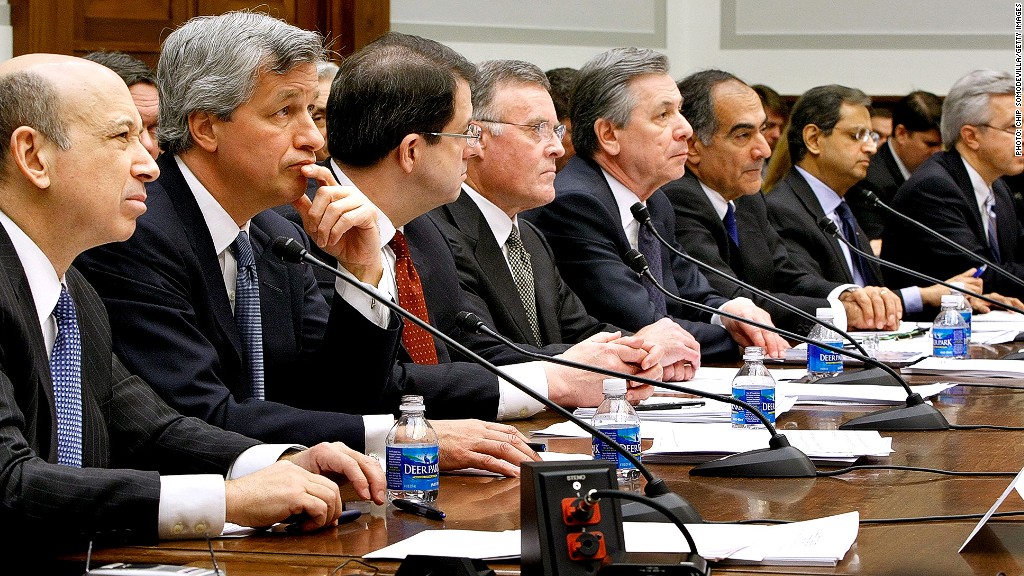
Some of the typical things that have characterized bank cultures include being one of the last industries to have a strict dress code, oftentimes requiring a logo lapel pin to be worn at all times. Banks have typically had very hierarchical organizational structures where the running joke is everyone has a Vice President title. Banks have typically lacked flexibility in working time and location and have been rigid with other aspects of work environment.
Other things about typical bank culture is bank hopping. It is not uncommon for many in management at banks to have worked at several different banks within a 5 or 10 year span as that was the path to greater financial rewards. Taking a book of business to another bank is rewarded.
These aspects and more show up in turnover numbers. When I worked for a large regional bank in the 2000's the turnover rate for the entire bank of 20,000 employees consistently ran in the high 20% to low 30% range. This study on turnover rates in late 2012 showed that the banking industry as a whole had one of the highest turnover rates of all industries.
One of my favorite lines from this article says "regulators acknowledge that culture is a difficult thing to measure". This led banks to measure things like how often employees go to happy hour or how they score on a happy to grumpy ratio. This is measured by defining happy employees as those who say they are satisfied and are more likely to act ethically. Satisfaction is way different than engagement and being happy may just mean they are well paid - again incentivizing the very behavior they are trying to root out.
The article also mentions that the industry is spending millions on workplace consultants specializing in how to measure culture including the use of surveys to tease out attitudes around pay being the best measure of success. When I asked a friend in the banking industry, specifically branch management, about this he indicated that no one answered these surveys honestly because no one wants district and regional managers in the branch. The fear of additional scrutiny and oversight invalidated the results but made management feel better about how well they are doing with culture when in fact fear was driving the behavior.
According to the article, one consulting firm hired by a bank determined it was a red flag when employees used the term 'workaround' in internal communications because it indicated a willingness to bypass set rules or policies. If you have ever worked in a bank you would know it requires work arounds of large and unwieldy systems and bureaucracies just to serve the customer. Well intentioned employees now flagged as possible threats - sounds like a good culture inducing policy to me.
Tuesday, August 19, 2014
Business Lessons from Ferguson

Lately I have found myself, like much of America, glued to the live feeds of the late night scenes of violence occurring in Ferguson, MO. The tragic events of Michael Brown’s death and the subsequent bouts of violence are at the heart of the story, but watching the scenes of violence play out between rioters and cops in Ferguson remind me of something closer to home for the Corporate Bravery audience.
The clashes between the police forces (city, highway patrol, etc) have been the subject of much debate over the past week and half for the emerging story line of increasing militarization of America’s police departments. This story line even prompted an Op Ed by emerging presidential candidate Rand Paul with his Libertarian take on the issue.
I am not writing today to continue that theme or add some new wrinkle to that conversation, rather to talk about this increasing militarization of all parts of our lives.
Corporate Bravery was started to bring light to the increasing levels of fear that are encroaching upon all corners of our lives, but specifically on how those aspects of fear prevent us from living bold lives in the marketplace.
 |
| Security barriers surrounding Wall Street |
The front entrances to our office buildings look like grim fortresses that communicate anything but a welcoming appearance to visitors, business partners and employees. Our time and attendance procedures and policies tell our employees that we can't trust you and our lack of flexible work arrangements indicate a complete disregard for the real issues that we face on a daily basis.
Just listen to some of the recent quotes from law enforcement officials around the nation regarding the situation in Ferguson as published in various national media outlets over the past week:
Subscribe to:
Posts (Atom)