
Monday, November 16, 2015

Monday, November 9, 2015
Sunday, November 1, 2015
Thursday, October 22, 2015
Corporate Bravery - Fearful Business Examples
We have been on hiatus for a few weeks while we launched our book - Corporate Bravery (now available on Amazon and iTunes). But we are back and this week we feature a few recent examples of fearful management.

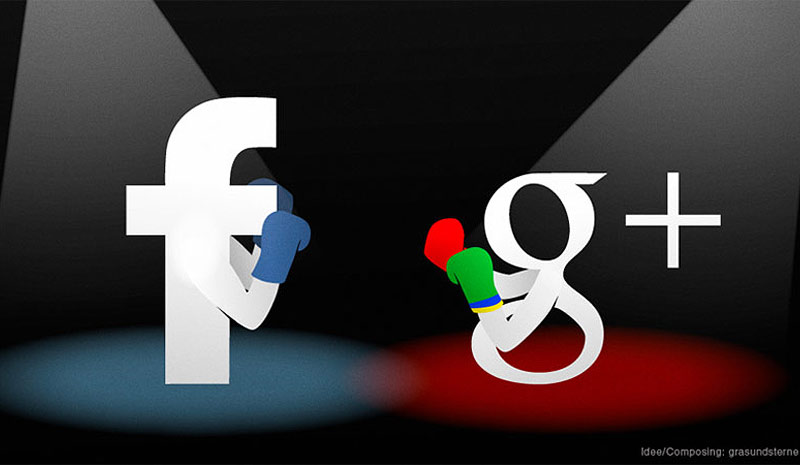
1. First we begin with the slow death of Google+, although many will be quick to point out that Google+ hasn't been killed (yet), as documented by a Mashable article entitled "Inside the Failure of Google+"
I also want to point out that Google is typically a brave company (coming in at #2 on the Brave Rankings) but this was a clear example of a fearful manager talking a brave leader into a fearful decision.
I'm not going to ruin much about the article for you but this quote stood out to me and highlights the fear-based decision making that led to the birth of Google+:

1. First we begin with the slow death of Google+, although many will be quick to point out that Google+ hasn't been killed (yet), as documented by a Mashable article entitled "Inside the Failure of Google+"
I also want to point out that Google is typically a brave company (coming in at #2 on the Brave Rankings) but this was a clear example of a fearful manager talking a brave leader into a fearful decision.
I'm not going to ruin much about the article for you but this quote stood out to me and highlights the fear-based decision making that led to the birth of Google+:
"Vic was just this constant bug in Larry's ear: 'Facebook is going to kill us. Facebook is going to kill us,'" says a former Google executive. "I am pretty sure Vic managed to frighten Larry into action. And voila: Google+ was born." |
2. There is a very cool example from Popular Science about ants and the biological example of how conservatism (often based out of fear) can keep organizations from meeting its full potential

The article chronicles studies of ants and how they cooperate together to carry larger pieces of food for long (relative to the spatial sizes of ants) distances. It was partially due to the ants conformist mentality, but there was much to be learned about their group leadership and efficiency.
Specifically, the group think of the group required that individual leader ants from outside the group get involved to re-direct them to the best, direct path until they lost track and then another leader ant would join the pack. The conclusion of scientists? In effect, says Feinerman, the larger groups were collectively too conservative, which prevented them from completing the task."
Read the whole report, there is a very cool video of the scene to kill some time as well.
|
Wednesday, August 26, 2015
The Point of the Amazon NY Times Article
There has been a lot of conversation about the recent New York Times piece on Amazon.com. While there has been some negative backlash from Bezos and insiders at Amazon, it appears, based on other accounts that the author's perspective on the culture at Amazon is closer to reality than fiction.

But as this Fast Company article points out, why has this article about work culture in the tech industry created so much buzz? Isn't it true that Amazon's culture just mirrors that of silicon valley or other great technology centers in the United States?
For many in the business press it is seen as yet another example of a 'win at all costs' culture that typically drives disengagement and an unhappy workforce. Typically I would decry the kind of behavior and attitudes embodied in the Amazon culture. For example, take a look at this early quote in the article:
However, I have a different perspective on this particular story. Understand that I am not condoning this type of behavior or even the culture that has been created but it can make sense for a company like Amazon. Take a look at this quote from the story about the conflict that employees feel about the culture:
In my forthcoming book, Corporate Bravery, I argue that one of the hallmarks of fearful vs brave organizations is alignment of these three aspects of culture.
 According to the article Amazon has very clearly defined core values (of which they are quizzed and expected to be able to recite and they have a clearly aligned hiring process as shown in the following two quotes:
Which leads to a process where employees begin to internalize the culture. According to one person interviewed for the article "she and other workers had no shortage of career options but said they had internalized Amazon’s priorities."
Again, I am not advocating Amazon's culture or the individual aspects of the culture that has made it what it is today. I am just saying that the article paints the picture of a company that has one of the most aligned core values, hiring practices and communications that I have ever seen.
Where Amazon runs into criticism (and the article chronicles), is in the moral / human cost of this culture. If you could only have this type of alignment that values the employee as a human and recognizes their own individuality (coincidentally another fear factor chronicled in Corporate Bravery) then you have a great example of building a corporate culture.

But as this Fast Company article points out, why has this article about work culture in the tech industry created so much buzz? Isn't it true that Amazon's culture just mirrors that of silicon valley or other great technology centers in the United States?
For many in the business press it is seen as yet another example of a 'win at all costs' culture that typically drives disengagement and an unhappy workforce. Typically I would decry the kind of behavior and attitudes embodied in the Amazon culture. For example, take a look at this early quote in the article:
At Amazon, workers are encouraged to tear apart one another’s ideas in meetings, toil long and late (emails arrive past midnight, followed by text messages asking why they were not answered), and held to standards that the company boasts are “unreasonably high.” The internal phone directory instructs colleagues on how to send secret feedback to one another’s bosses. Employees say it is frequently used to sabotage others.This is the kind of fear inducing behavior that creates corporate politics run amok - similar to what I discuss in this my Slideshare on corporate politics.
However, I have a different perspective on this particular story. Understand that I am not condoning this type of behavior or even the culture that has been created but it can make sense for a company like Amazon. Take a look at this quote from the story about the conflict that employees feel about the culture:
However, more than 100 current and former Amazonians described how they tried to reconcile the sometimes-punishing aspects of their workplace with what many called its thrilling power to create.I contend that Amazon has actually done a wonderful job of creating alignment with the culture, hiring & people practices and the brand they are creating in the eyes of their customers.
In my forthcoming book, Corporate Bravery, I argue that one of the hallmarks of fearful vs brave organizations is alignment of these three aspects of culture.

To be the best Amazonians they can be, they should be guided by the leadership principles, 14 rules inscribed on handy laminated cards. When quizzed days later, those with perfect scores earn a virtual award proclaiming, “I’m Peculiar” — the company’s proud phrase for overturning workplace conventions.
The process begins when Amazon’s legions of recruiters identify thousands of job prospects each year, who face extra screening by “bar raisers,” star employees and part-time interviewers charged with ensuring that only the best are hired.
Which leads to a process where employees begin to internalize the culture. According to one person interviewed for the article "she and other workers had no shortage of career options but said they had internalized Amazon’s priorities."
Again, I am not advocating Amazon's culture or the individual aspects of the culture that has made it what it is today. I am just saying that the article paints the picture of a company that has one of the most aligned core values, hiring practices and communications that I have ever seen.
Where Amazon runs into criticism (and the article chronicles), is in the moral / human cost of this culture. If you could only have this type of alignment that values the employee as a human and recognizes their own individuality (coincidentally another fear factor chronicled in Corporate Bravery) then you have a great example of building a corporate culture.
Thursday, August 13, 2015
What Nature Teaches Us About Fear & Microsoft Being Brave
In Chapter 13 of my forthcoming book Corporate Bravery we talk about Reprogramming the Core of your organization. I begin the chapter by using a human biological example of what this is like,
There is a biological impact from protecting or keeping yourself from harm in small doses as it often results in larger reactions later on.

Microsoft Being Brave
The second article that points to how to be brave in the face of possible fearful situations comes from Microsoft of all people.
I am hesitant to hail this as a victory for bravery because every time there is a new major release of Windows they say they are doing it differently and it still ends up being the monstrosity that Windows applications become.
The story of Microsoft's development of Windows 10 marks a big departure from their traditional approach - and not just because they are offering free upgrades.

The biggest change is their change in approach. Take a look at how things were done in previous iterations from a Microsoft exec in charge of the development process.
The body, in fact, is built for reprogramming, even down to the cellular level. Physically, reprogramming can come through workouts. Mentally, it can happen through education. Emotionally, it can come through relationships or therapy.
We’re also susceptible to environmental factors. Being infected by viruses and bacteria or suffering an injury can — and usually does — happen to everyone. But our bodies frequently withstand these external factors. That is why diet and exercise are so important. Daily disciplines that strengthen the core improve our survival, not to mention attitudes and sheer enjoyment of life.
There is a biological impact from protecting or keeping yourself from harm in small doses as it often results in larger reactions later on.
|
I introduce this as a lead-in to the latest example of this from an article in Quartz about how your gut feeling isn't just a metaphor.
The article talked about a study in mice that simulated traumatic (fear inducing) events and using bacteria (in this case a tape worm) in the mice stomach prevented them from neurological shock that can often present itself in humans as neurological diseases such as MS. The article concludes:
"This kind of effect is called “biome depletion,” where a lack of exposure to infections causes immune systems to overreact to infections later in life. Thus exposure to some microbes can help avoid such a response, and, in the case of the rats, help prevent memory loss."
Yet another example where our desire to shield ourselves or others (children, employees, etc) from bad experiences creates more harm in the long run.
|
Microsoft Being Brave
The second article that points to how to be brave in the face of possible fearful situations comes from Microsoft of all people.
I am hesitant to hail this as a victory for bravery because every time there is a new major release of Windows they say they are doing it differently and it still ends up being the monstrosity that Windows applications become.
The story of Microsoft's development of Windows 10 marks a big departure from their traditional approach - and not just because they are offering free upgrades.

The biggest change is their change in approach. Take a look at how things were done in previous iterations from a Microsoft exec in charge of the development process.
"During the days of Vista, Microsoft’s lawyers ended up at my doorstep because I dared to write about prerelease versions of Windows. And while Windows 8 had a few public previews, it was largely developed with little consideration to feedback. Windows 8 shipped despite user concerns about fullscreen apps and a lack of attention to keyboard and mouse users. Microsoft’s management seemed to spend more time explaining every new feature in sprawling, technical blog posts instead of understanding why users hated the changes."Contrast the fear and legal overlording to the approach that they are taking with the current development:
Microsoft now solicits feedback directly from users in a very public way: over the past nine months, the company has been testing Windows 10 with 5 million "Windows Insiders." Anyone can sign up to test, and the results of Microsoft’s work will go on display today as Windows 10 launches to millions of people around the world.
Initially, "there was a lot of hand-wringing around what was that going to be like and were people going to form opinions too early," explains Gabe Aul, engineering general manager for Microsoft’s operating systems group. "I think we just decided to go for it."Does that mean that Microsoft suddenly 'gets it' and is a changed company? Doubtful, but changing the culture from one of fear to one of making bold bets on doing things differently than they have in the past is a great start.
Subscribe to:
Posts (Atom)